There is a lot of noise, and constructive dialogue, about AI potentially replacing engineers - but the reality is much more nuanced. Here are some of my perspectives on how AI automation will actually impact the consulting and design engineering sector, and how it already is. These reflections come from internal conversations at CPE about how AI will reshape our work.
Prompt-based engineering is coming...
Repetitive engineering work tasks are going to be automated - but through prompt-based workflows rather than manual spreadsheet development.
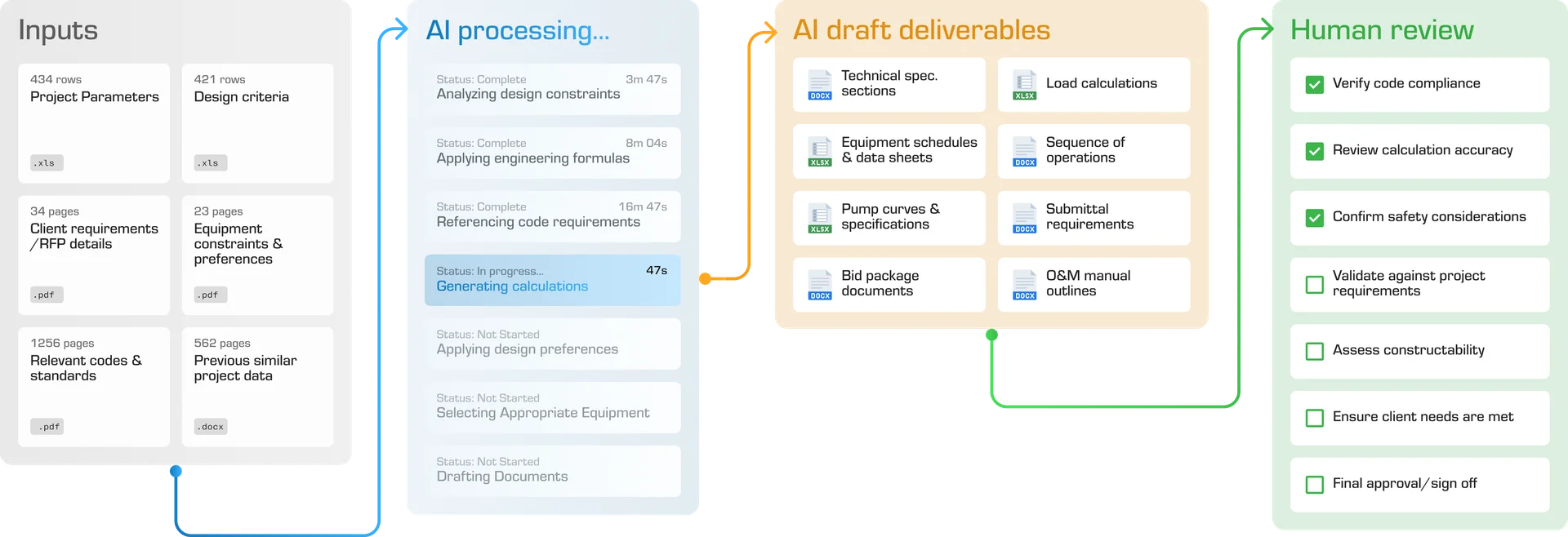
Tasks such as developing technical specifications, bid packages, pump specs, and equipment data sheets lend themselves to automation well: feeding project parameters, design criteria, client requirements, codes and standards, and previous project data into AI processing that analyzes constraints, applies engineering formulas, references code requirements, and drafts documents.
...but subject matter experts remain essential
Workflows like this will amplify the productivity of the people doing those tasks. But SMEs are still needed to verify that the output follows good engineering practice, meets relevant codes and standards, meets the needs of the client and project, and that reliability and safety have been fully and properly considered. SMEs will also need to learn to maintain these systems alongside technical staff.
That is the safeguard: subject matter experts are what turn AI draft deliverables into approved deliverables.
AI won't replace physical system expertise
In a field that requires subject matter expertise and evaluation of physical systems, we are decades away from being displaced by AI - if ever.
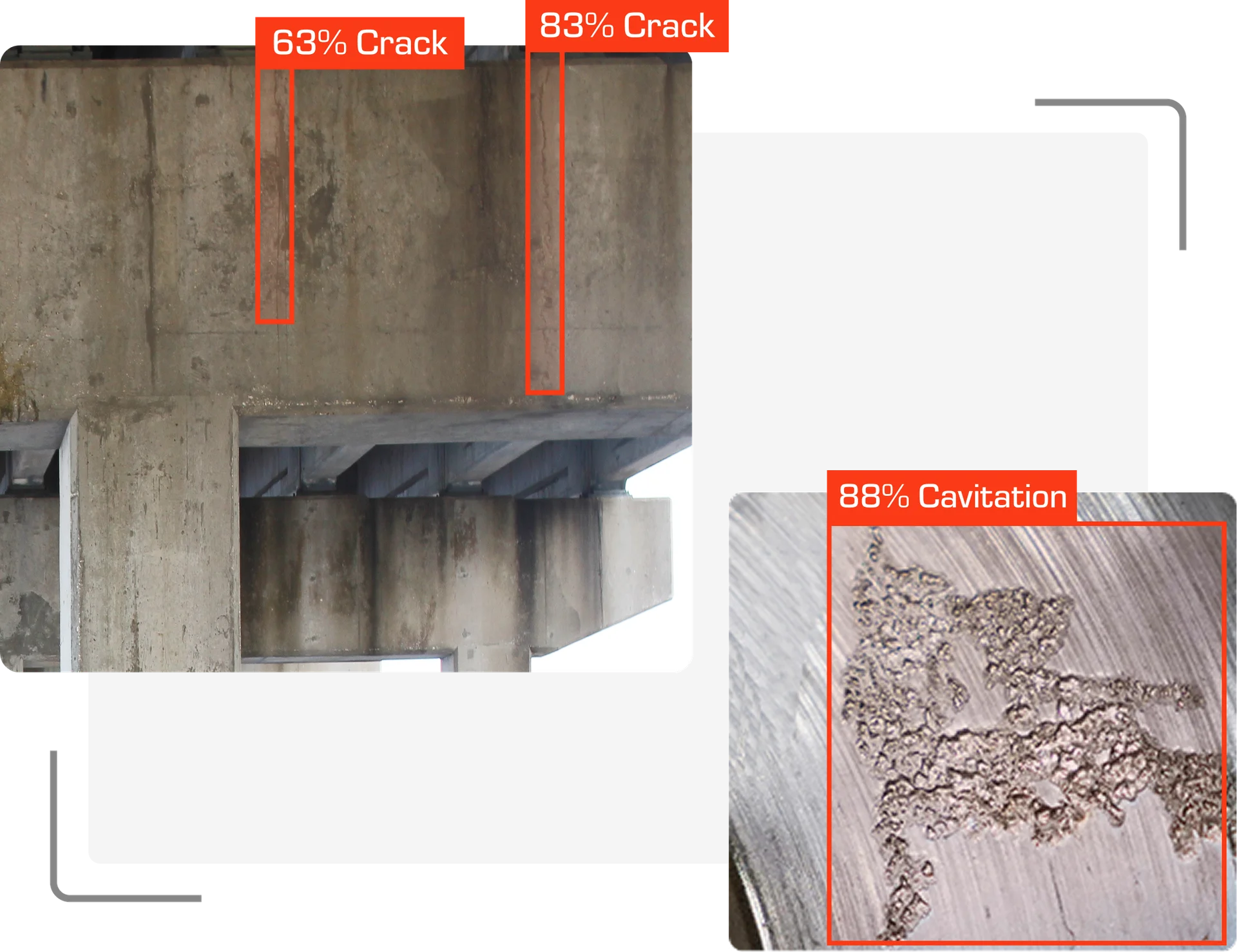
That doesn't mean AI isn't being used today. It's analyzing inspection photos, batch processing site data, and helping provide insights that would have taken longer to see. But it still requires human expertise to interpret and apply those insights to real-world systems.
From tape measures to robot dogs and drone docking stations
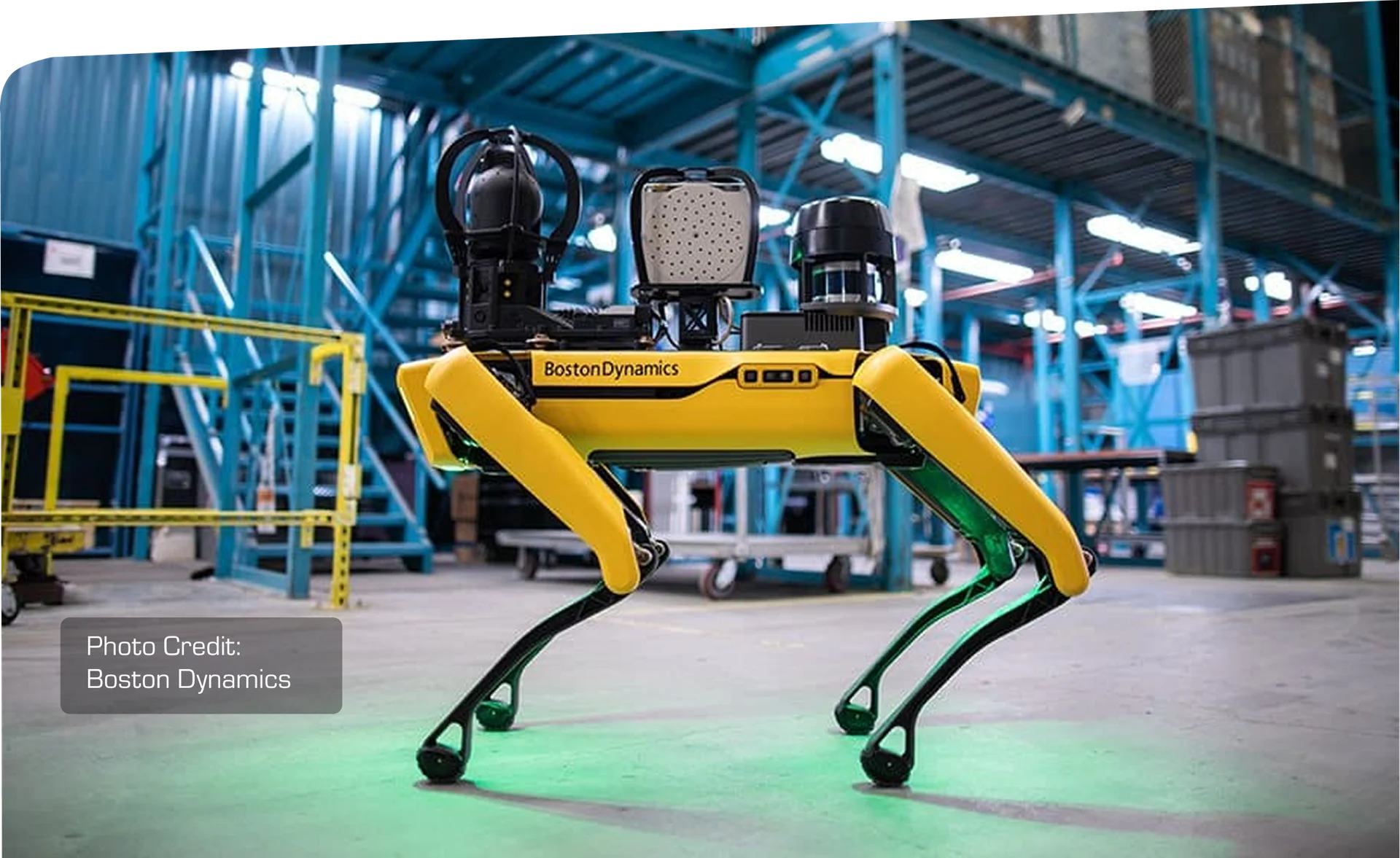
We'll see fewer tape measures in the field and more high-tech reality capture equipment - terrestrial and aerial systems. Spot the robot dog is being used to walk the perimeter and through facilities, making assessments about safety conditions or taking IR imagery to identify hot spots, leaks, or other failures and unsafe conditions.
Drones-in-boxes deploy multiple times a day taking photos, videos, or laser scans to catalog construction progress or current site conditions. What is coming: we will ship an automated surveying and data-collection system to site that deploys itself, runs a pre-programmed or AI-assisted mission with remote oversight, returns to its docking station, and is shipped back to the office.
Why AI can't just convert scans to usable models
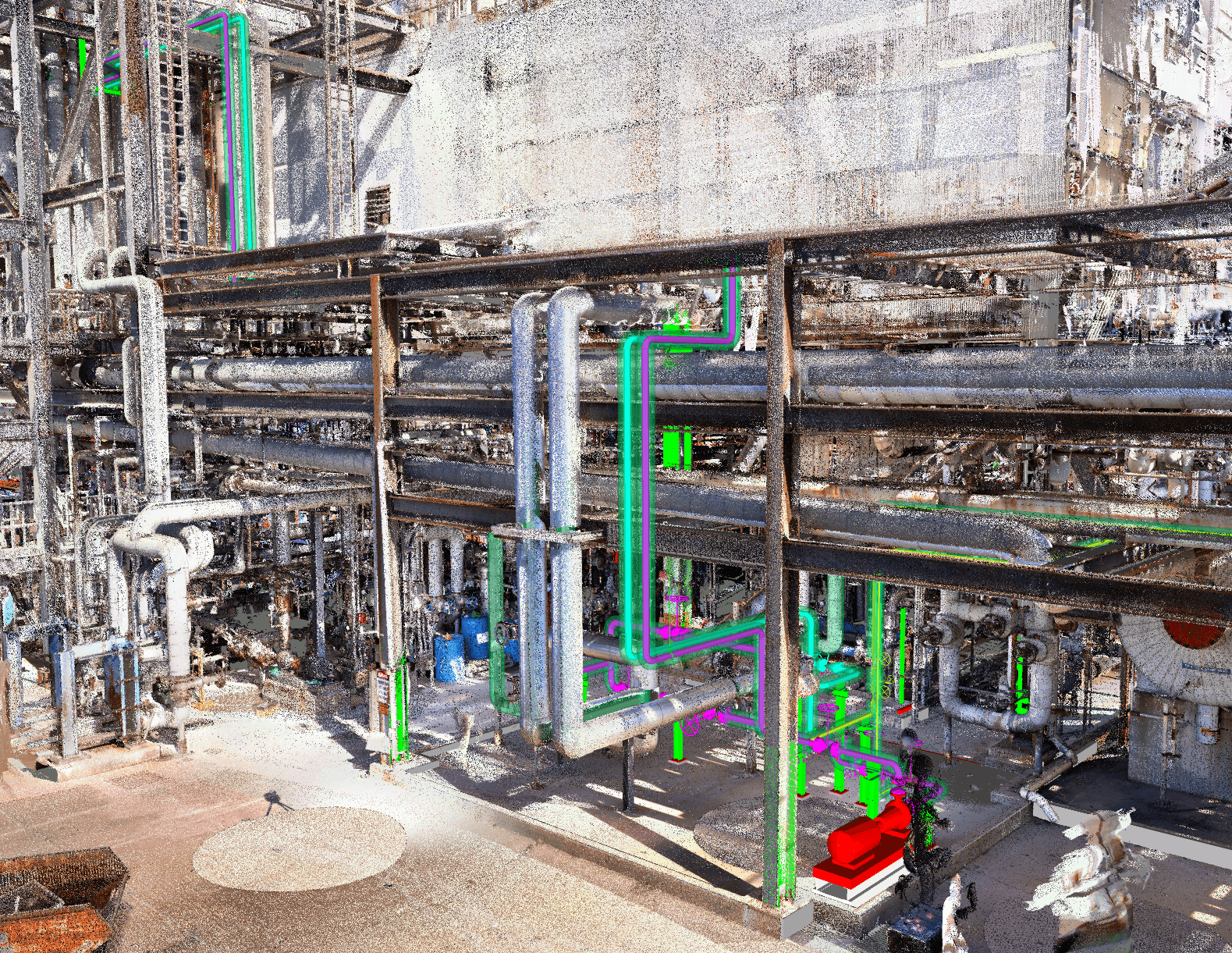
What the market wants is for a point cloud to be meshed and automatically converted to a 3D solid model or drawing. This has proven to be unreliable. Pipes are almost never straight - there's deflection, debris buildup, people use them as a step, insulation is falling apart, cobwebs, and more.
When you mesh those things, the meshing software has no clue that's not something you want to know about, and starts to create it in the solid model. I haven't seen a system where you can input a point cloud, generate a mesh, and get something usable out of the box. It actually requires significantly more time, because it creates a solid model that's just wonky. This is where a highly skilled 3D designer shines.
Drafting goes first - but junior engineers and designers still need a career path
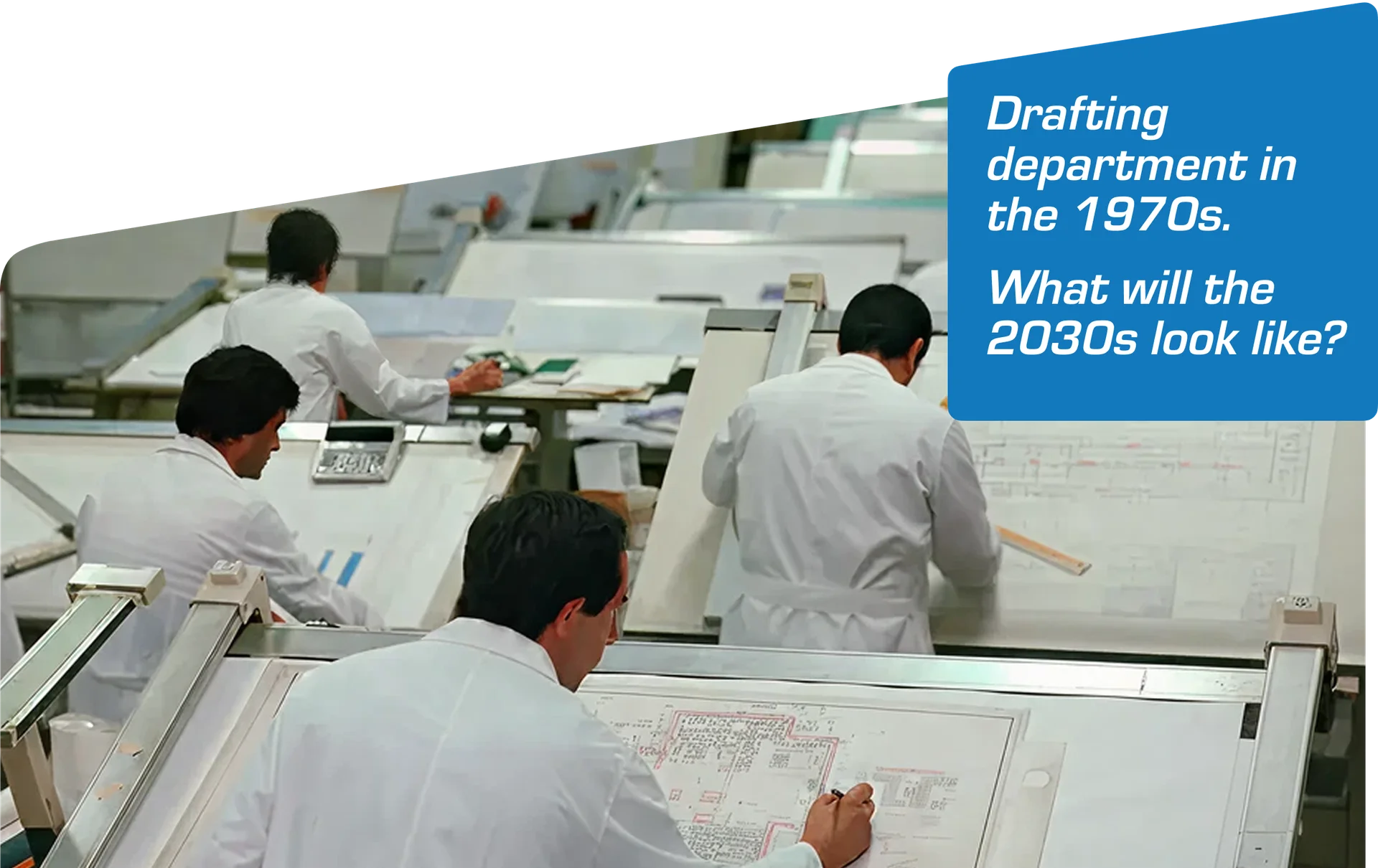
When AI can start to recognize components and better understand and apply codes, standards, design parameters, and the components used in a specific region, state, municipality, or particular company - that's when it can start to displace job functions. The first thing it's going to displace is drafting, specifically the conversion of 3D models into 2D fabrication and construction drawings.
But junior people still have to have a chance to learn and become "not junior." There will be companies that bring them in, and Clear Process will be one of those, because we have niche specialties that require training the next generation of subject matter experts. Junior skill sets are going to need to be different, because some junior-level tasks will be displaced by AI-based automated processes.
Human judgment remains irreplaceable in troubleshooting
I don't know when AI will be able to ask operators questions and receive truly honest answers, or sift through the nuance of different terminology and site-specific lingo. When you get into troubleshooting equipment, you start getting into behavioral challenges, the impacts of operator behavior, and understanding why that behavior is the way it is.
If we're called and told "we need to run this at nameplate rating" and operators say "we can't do that because X, Y, and Z," you have to get an understanding of the reality to even begin to develop corrective action plans and solutions. We have two customers with identical facilities, separated by a 10-hour drive, and their business realities are completely different.
AI will change our tools, but the work still needs experts who can think critically.