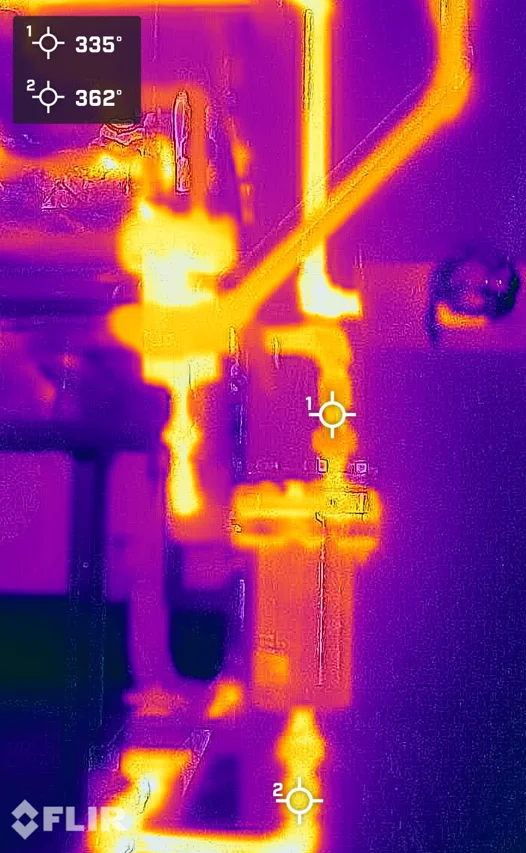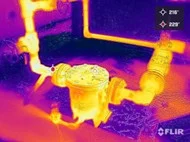
Plant and maintenance managers often miss these easy production gains.
When production is steam constrained, it is natural to focus on the most visible process components - such as the boiler and heat exchangers.
However, you often get higher returns on less through a simple steam trap audit.
What are steam traps?
Steam traps are devices used to separate and meter condensate away while retaining or "trapping" process steam.
Failed and/or improperly sized steam traps are a leading contributor to condensate/steam leaks, loss in performance and efficiency, and failed condensate piping.
Steam trap failures create cascading issues that impact energy efficiency, process and equipment reliability, and safety. Yet many facilities don't have a monitoring program in place.
Audit frequency
For most sites, it is recommended to audit steam traps at least once per year. With frequent trap audits, trap failures can usually be identified before causing damage beyond the trap itself.
When performed by qualified engineers and technicians, steam trap audits often pay for themselves in a couple of weeks.
For mission critical and/or inaccessible systems, in-situ trap monitoring will identify failing traps in real time; however, these systems have a relatively high entry cost barrier.
The three most common failure modes
1. Rapid cycling
Rapid cycling occurs when steam traps open and close at abnormally high frequencies, resulting in insufficient steam dwell time in process equipment.
This failure mode: - Compromises heat transfer effectiveness - Increases mechanical fatigue on trap components - Causes system pressure instability and can cause water hammer - Shortens equipment service life - Typically requires specialized testing to identify
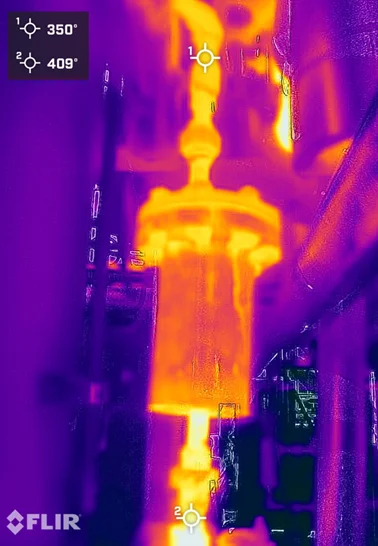
2. Flooded / failed closed
A steam trap in flooded or failed-closed condition prevents condensate from being discharged, causing it to accumulate in process equipment.
This failure mode: - Prevents equipment from reaching required temperatures - Often leads to manual draining of condensate (bypassing) - Creates safety hazards from water hammering - Affects process reliability and production
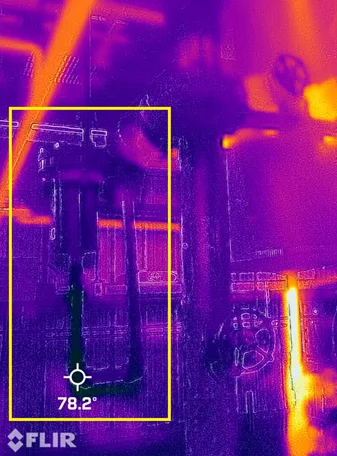
3. Failed open
When steam traps fail in the open position, they allow live steam to continuously flow through instead of being utilized in the system.
This failure mode: - Increases energy consumption - Causes pipe erosion from high-velocity steam/water mixture - Affects other steam traps due to condensate line pressure - Puts additional load on the boiler house