Comprehensive Energy Audit Identifies Major Fuel-Savings Opportunities at a Specialty Chemicals Plant
CPE evaluated interconnected boiler, steam, condensate, and waste heat systems at a specialty chemicals facility, identifying 17 MMBtu/hr in potential natural gas savings and developing actionable strategies for thermal-efficiency and GHG-reduction projects.
Project Details
Client
Leading Specialty Chemicals Manufacturer
Project Type
Comprehensive Energy Audit
Scope
Boiler House, Steam, Condensate & Waste Heat Recovery
Objective
GHG Reduction & Thermal Efficiency
Quantified Energy-Savings Opportunities and a Prioritized Path Forward
CPE quantified a portfolio of operational and capital improvements across the facility’s thermal and utility systems. Savings were evaluated on a stand-alone basis; combined results will depend on the projects selected for implementation.
17
MMBtu/hr Potential Fuel Savings
Approximately 17 MMBtu/hr in potential natural gas savings identified across the evaluated opportunities.
6,000+
MT/yr Potential CO₂ Reduction
Estimated annual emissions reduction associated with the evaluated improvements.
18
Improvement Scenarios Quantified
Operational and capital opportunities assessed across thermal and utility systems.
7
Opportunities Under 3-Year Payback
Seven opportunities showed preliminary estimated payback periods below three years.
Services Provided
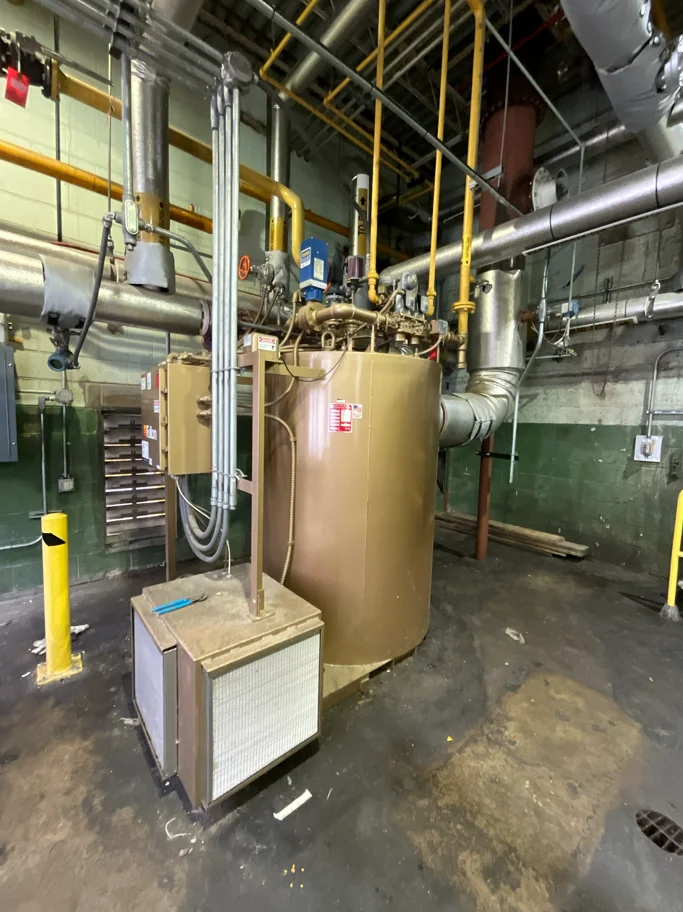
- Evaluated boiler-house efficiency, including condensing economizers and blowdown heat recovery
- Analyzed steam and condensate optimization opportunities, including flash-steam recovery and reactor heat exchangers
- Assessed waste heat recovery from incinerators and thermal-oil heaters and evaluated alternative process heat options
- Developed heat, mass, and GHG balance models to quantify savings, emissions reductions, and project priorities
The Challenge
A leading specialty chemicals manufacturer sought to significantly reduce its greenhouse gas (GHG) emissions and improve thermal efficiency at one of its primary manufacturing facilities. The plant's complex infrastructure - comprising multiple boiler systems, extensive steam and condensate networks, incinerators, and thermal-oil heaters - presented interconnected energy challenges. The site needed a holistic understanding of its energy baseline to identify high-impact reduction opportunities.
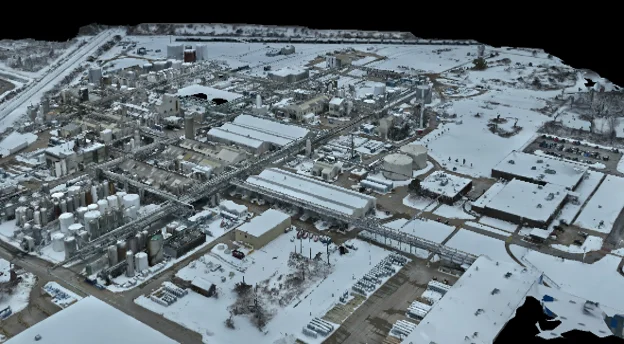
Beyond identifying inefficiencies, the facility required actionable, data-driven pathways to reduce steam consumption and improve condensate return. Plant leadership also needed accurate, up-to-date spatial data to streamline future capital-project planning and support long-term modernization and decarbonization goals.
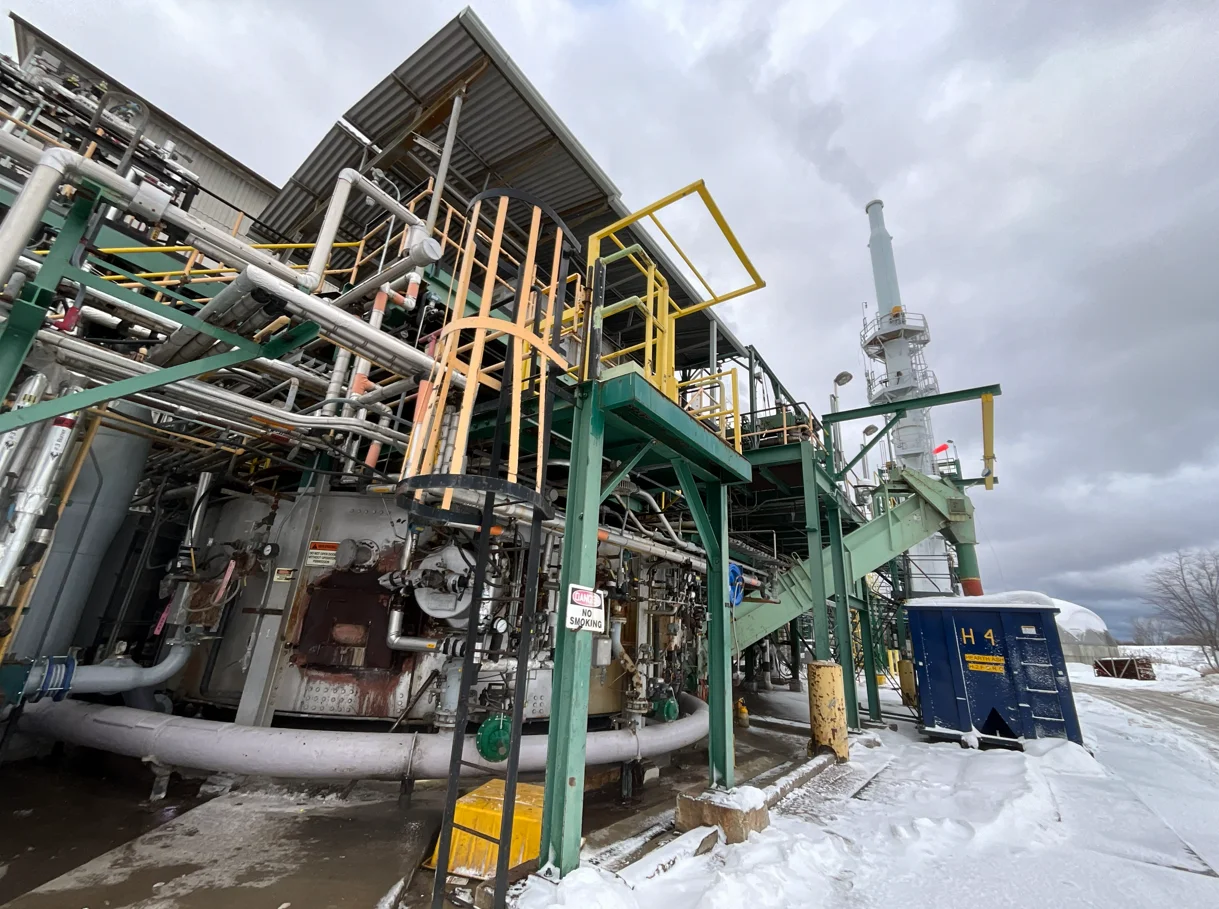
Combustion-tuning opportunities identified for thermal-oil heaters and incinerators
Integrated Energy Assessment and Opportunity Development
CPE combined field investigation, engineering analysis, heat and mass balance modeling, and site documentation to identify, quantify, and prioritize practical thermal-efficiency improvements.
Field Assessment
System Modeling
Opportunity Evaluation
Implementation Planning
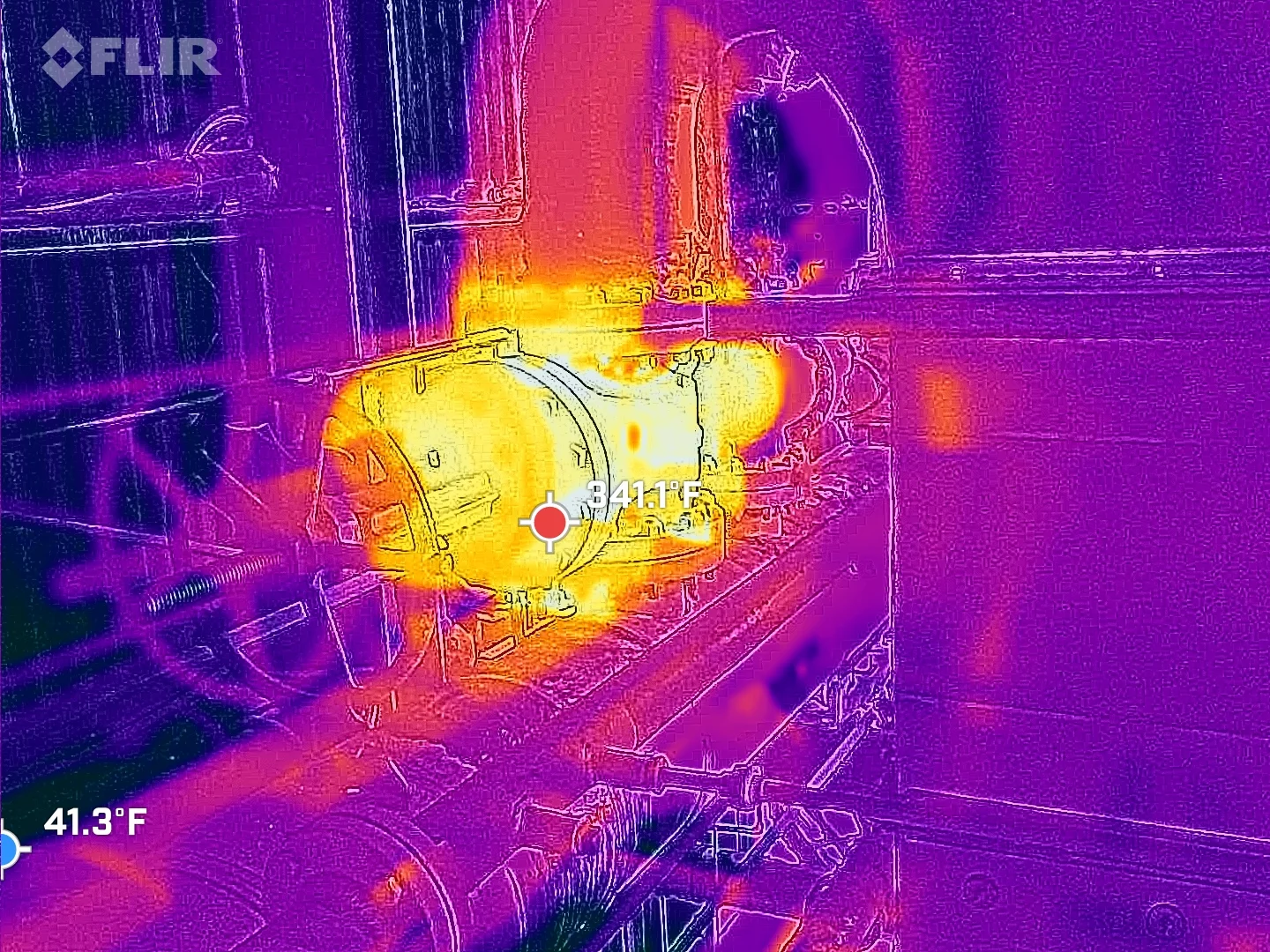
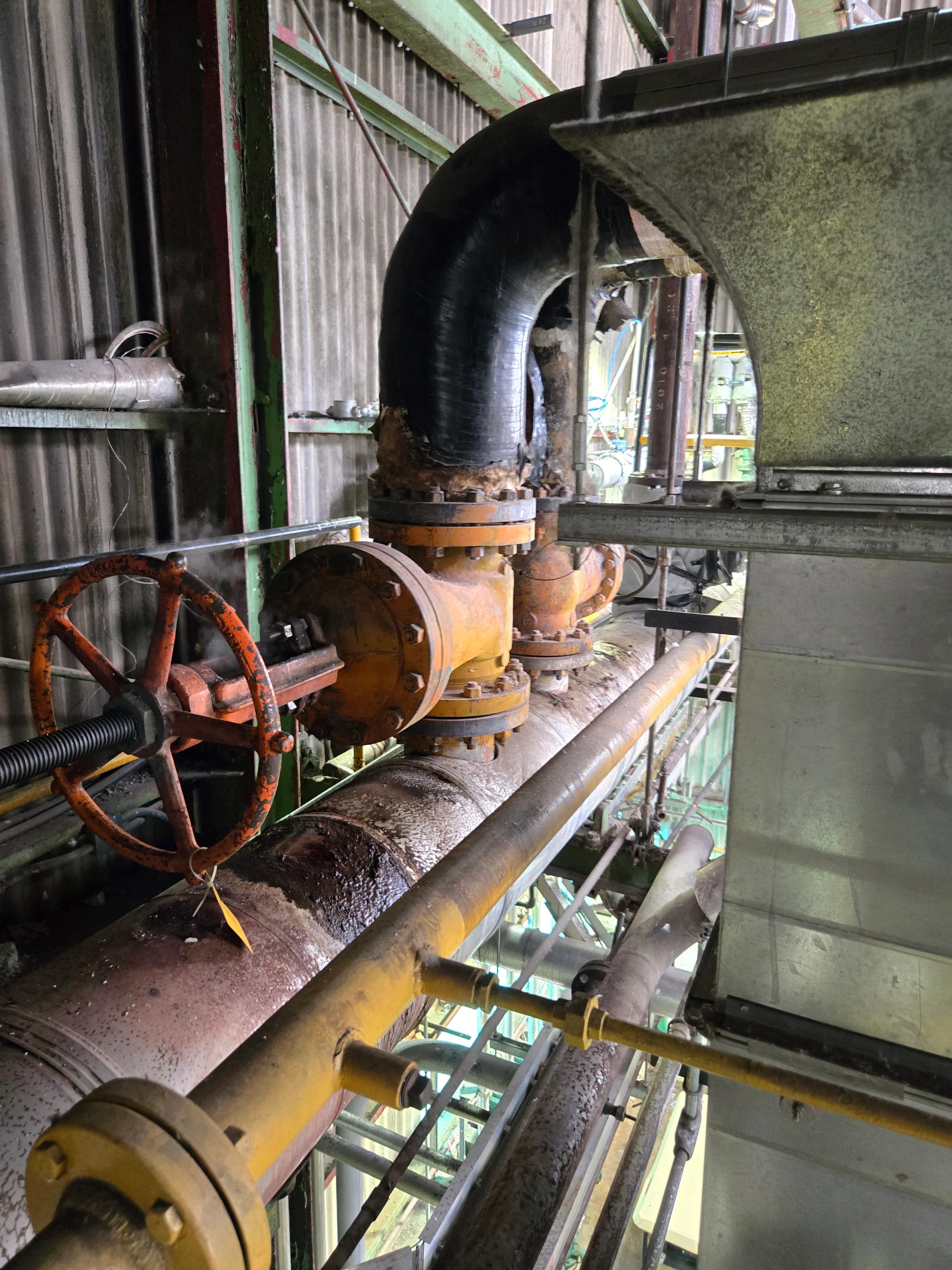
Uninsulated valve identified through thermal imaging
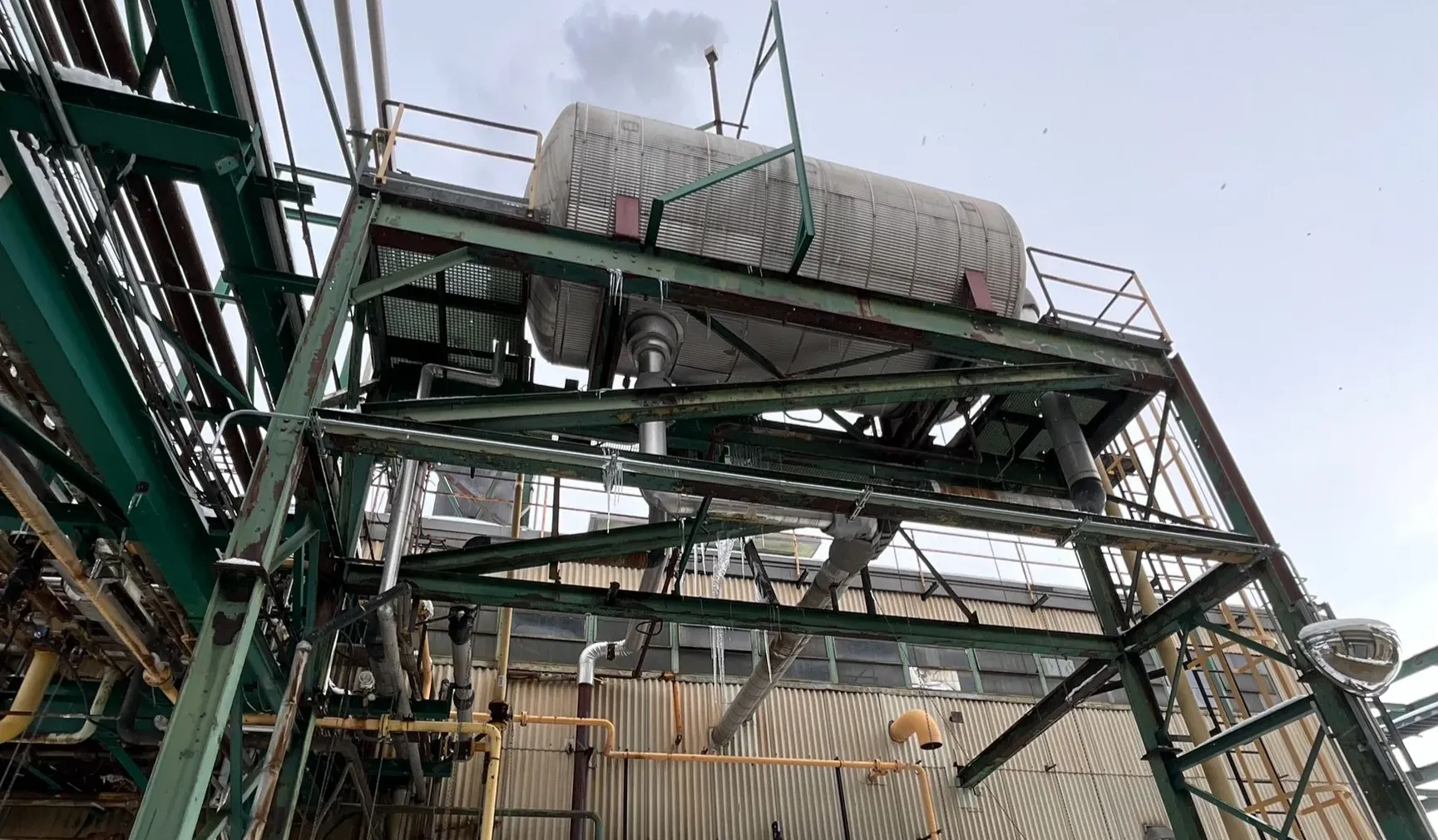
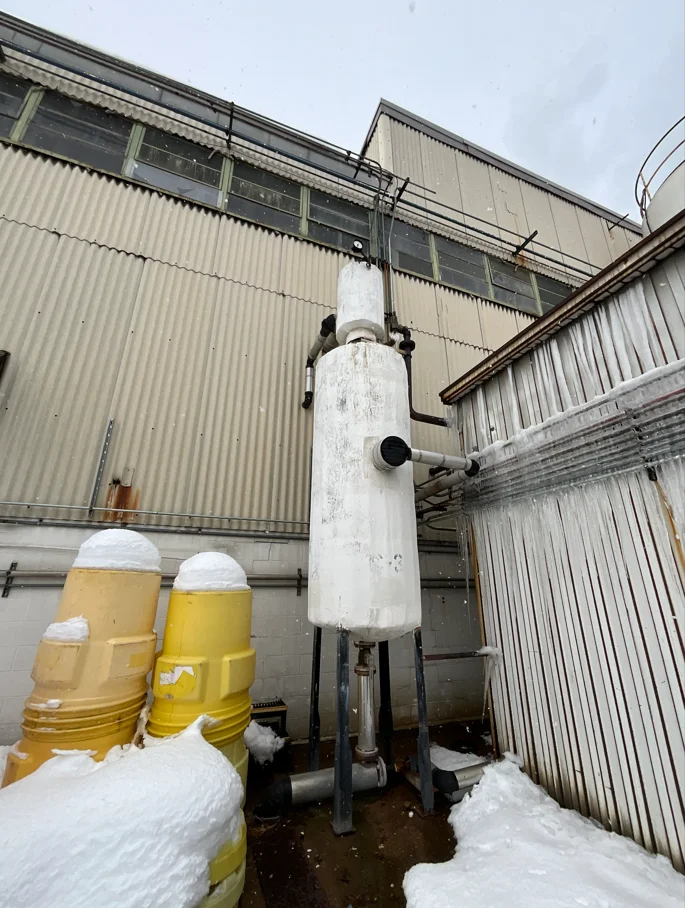
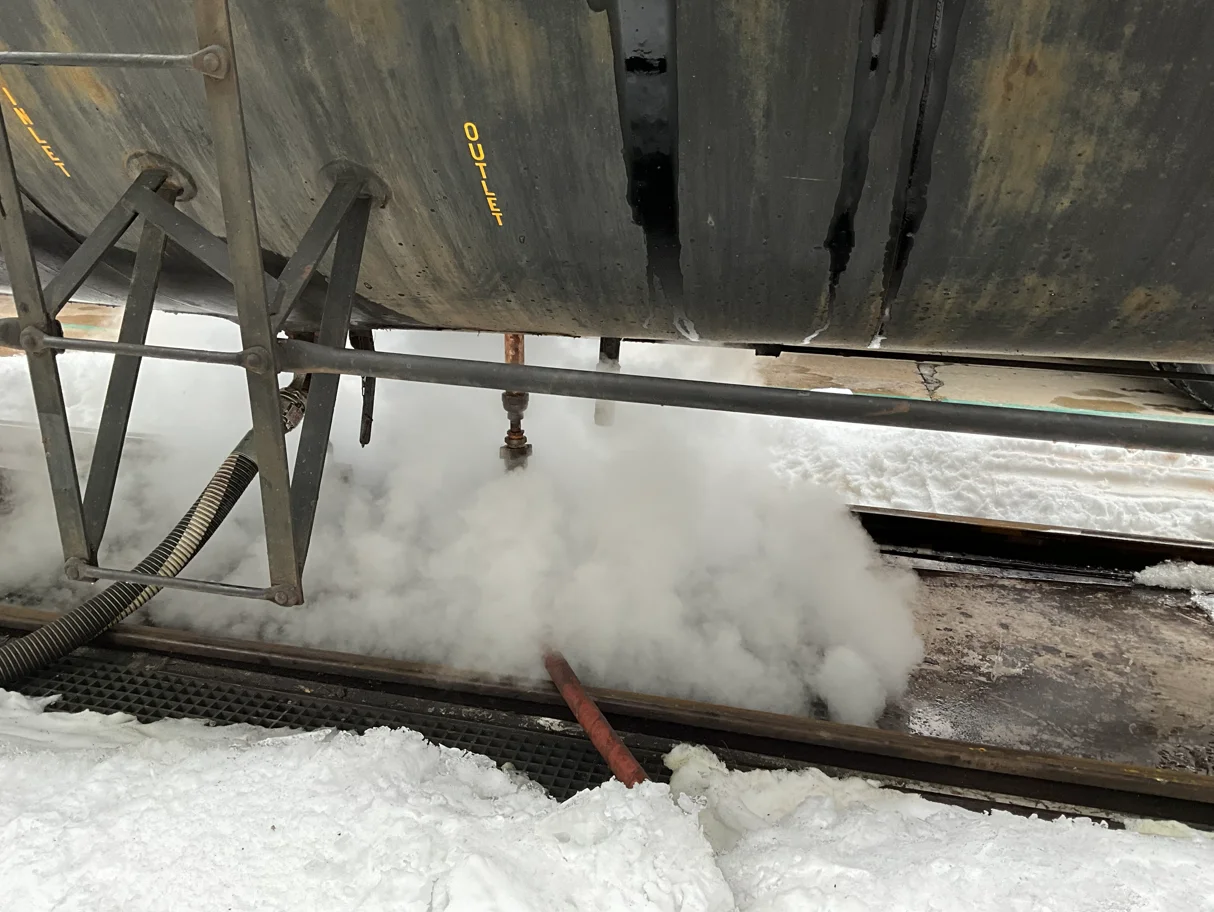
Thermal-efficiency opportunities included reducing deaerator vent losses, recovering blowdown flash heat, and improving condensate recovery from railcar heating.
Have an engineering question?
Tell us about your project and we will let you know how CPE can help.